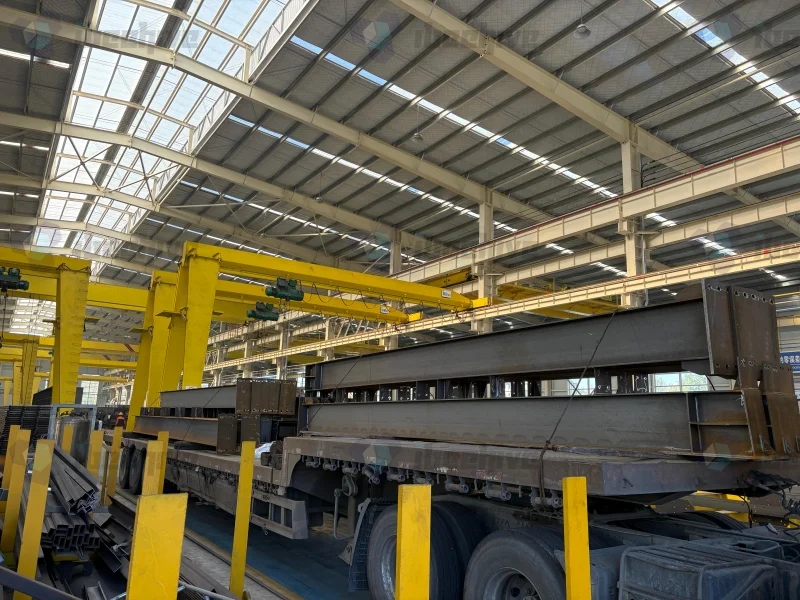
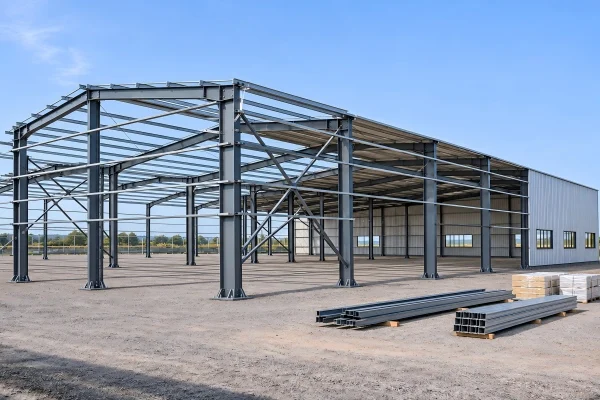
A factory tour does not prove that the steel for your building will meet the drawings. A useful audit follows one real or sample component from incoming material to cutting, fit-up, welding, surface treatment, inspection, marking, and packing. At each step, ask what requirement controls the work and what record shows the step was completed. Then compare what you see with the project specification and the factory’s quoted delivery plan.
This steel building factory audit checklist is written for buyers of industrial warehouses, workshops, and other substantial steel buildings, generally above 500 m². It is relevant to in-person visits and structured video audits. It is not a substitute for a project-specific inspection and test plan, a qualified inspector, or the local engineer’s approval.
Overseas customers have asked to see welder qualification evidence, production records, and in some cases a witnessed test for a particular weld. Other buyers wanted the certification body’s identifying details before they would even send an inquiry. Those are different requests. A certificate, a personnel qualification, and an inspection report answer different questions, so an audit should identify which one the buyer actually needs.
What should you request before visiting the factory?
Send the project drawings and specification, or at least a draft inspection brief, before scheduling the audit. Ask the supplier to identify the factory that will fabricate the order, not only the sales office. Request a plant layout, process flow, current production schedule, quality manual or relevant procedures, proposed subcontracted processes, and a sample document package from a comparable type of work. Remove confidential details if necessary, but keep document types and traceability visible.
Can the factory trace steel back to its material certificate?
Select a piece of plate or section on the workshop floor and ask staff to show its grade, heat or batch identification, receiving record, and mill certificate. Then ask how identification survives cutting and transfer to an assembly. The answer should be a working process, not merely a binder of certificates. If a batch marking is lost, the factory should explain how it controls or quarantines that material.
How do you audit welding without judging it by appearance alone?
Start with the welds called out in the project drawings. Ask which welding procedure applies to each relevant joint and whether the welders or welding operators are qualified for that process and position. Review records for validity and scope, then compare them with the work occurring at the station. Observe fit-up, joint preparation, consumable control, and how the factory handles distortion or repairs.
How do you verify a certificate or third-party inspection claim?
First identify what the document certifies: the company management system, the fabrication facility, a product and execution scope, a welder, a specific batch of material, or a particular inspection of your order. Record the legal holder, issuing body, certificate number, validity dates, location, and scope. Where the issuing body maintains a public directory, verify the number there. Ask whether the quoted factory and your product fall within that scope.
The AISC fabricator certification page describes its program as an assessment of a company’s quality management system. A quality-system certification is valuable, but it is not a test report for each member in your order. Conversely, one favorable third-party inspection report does not establish that the whole factory has a certified management system. Buyers need the document appropriate to their project’s acceptance requirements.
European projects may raise further questions about product conformity documents and a notified body’s identity. Do not insert a CE logo, execution class, or notified-body number into a project proposal until the exact certificate and its applicability have been checked. Similar caution applies to any claim about US, Canadian, or other national certifications.
Is the factory capable of shipping the building it quoted?
Compare the production route and current workload with the promised milestones. Ask what equipment and space are available for the actual member size, coating operation, marking, bundling, and container loading. For an unusually large or deep member, request a packaging and transport concept before relying on a general statement that the factory can fabricate it. Fabrication capacity and economical export transport are different questions.
At the packing area, ask how each member is marked against the erection sequence or packing list, how bolts and smaller parts are counted, and how painted surfaces are protected. Review an example packing list and loading photo record. Confirm who inspects the final package and how shortages or damage are reported. A buyer with a remote site may value clear identification more than a polished factory video: a misplaced connection plate can interrupt erection even when the main frames arrive intact.
Container count and transport method depend on the approved member list and route. Ask for the project-specific packing plan and its assumptions.
What changes if the audit is by video?
A remote audit can establish useful evidence if it is live, structured, and interactive. Agree a route beforehand, but reserve the right to select a component or record during the call. Ask the camera operator to show the factory identification, current production area, material markings, relevant records, welding station, inspection area, and packing zone in sequence. Request follow-up copies of the selected documents with sensitive customer information redacted.
Video has limits: camera angle, lighting, and connection quality can hide detail. It cannot replace measurements, material testing, or witnessed inspection where the contract requires them. Record what was observed, what could not be verified, and what evidence is still due. That is a process example, not a claim that video alone fulfilled every technical acceptance requirement.
A practical audit record to take away
End the visit with a short findings log. For each issue, write the requirement, observed evidence, gap, owner, and deadline. Separate a genuine nonconformity from an unanswered question. Ask for a sample of the final documentation index and a plan for closing any gap before fabrication release or shipment. If the visit involved a third-party inspector, retain the formal report and track its findings through closure.
The best outcome is not a perfect-looking checklist. It is a shared understanding of which factory will make the building, which controls apply, how the buyer can verify them, and what must be resolved before money and schedule are committed.
Make quality evidence part of the inquiry
If you are sourcing a steel warehouse or industrial building above 500 m², send iBeehive the current drawings, project location, applicable specification, and the inspection records your owner or EPC requires. Ask which fabrication facility would perform the work and what documents can be made available for that project. A useful supplier conversation begins with verifiable evidence, then agrees the inspections and approvals before production.
FAQs
Share This Post